Looking for room to breathe without leaving Jacksonville behind? Jacksonville Ranch Club offers a rare mix of acreage, privacy, and an equestrian-friendly setting inside the city, but this is not the kind of neighborhood where you can assume every lot works the same way. If you are thinking about buying land or a home here, it helps to know what daily life looks like, what the HOA manages, and what you should verify before you make an offer. Let’s dive in.
Why Jacksonville Ranch Club stands out
Jacksonville Ranch Club is a land-oriented community in northwest Jacksonville near Plummer Road, within the 32219 area of Duval County. It is made up of two separately managed sections, JRC1 and JRC2, and both are described by their official HOA pages as deed-restricted, gated, equestrian-friendly communities about 8 miles from I-295.
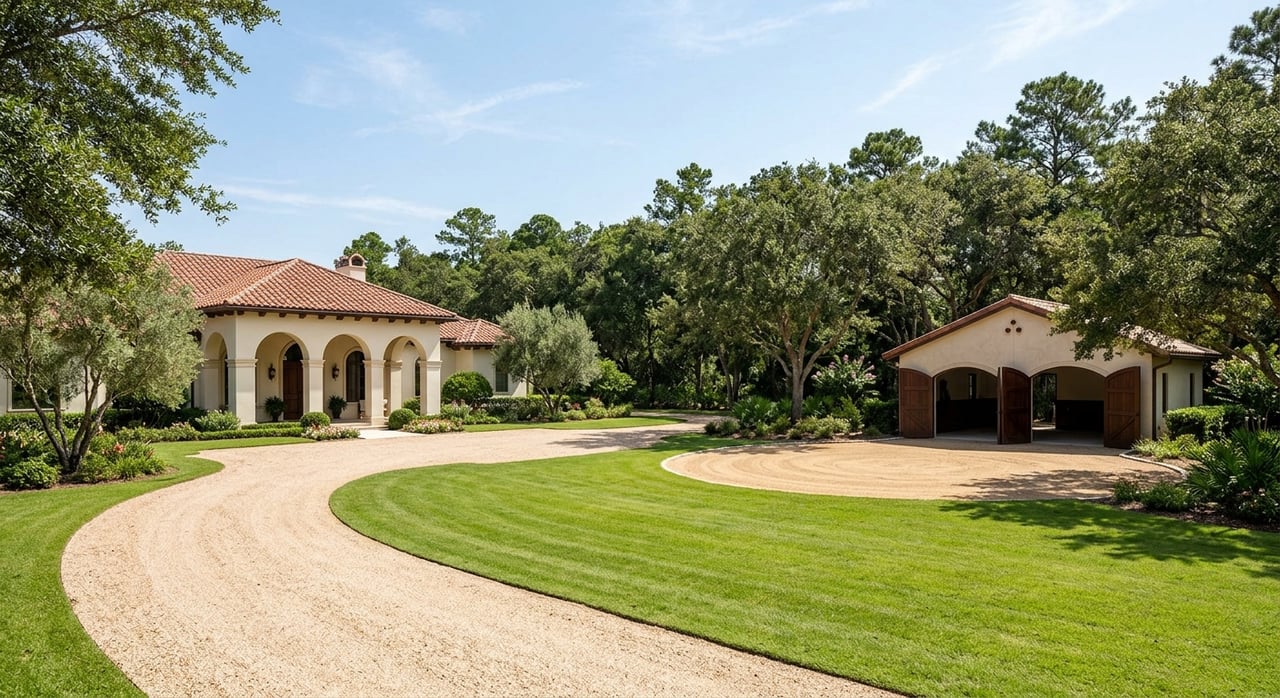
That combination is a big part of the appeal. You get a more rural, private feel while still staying connected to Jacksonville. Both sections also highlight wooded or conservation buffers that are intended to remain undeveloped, which helps preserve the spacious setting many buyers are looking for.
Jacksonville Ranch Club lot sizes
One of the first things buyers notice here is the size of the homesites. JRC1 lists 242 homesites ranging from 2 to 10 acres, while JRC2 lists 127 homesites ranging from about 1 to 7 acres.
That means your experience can vary depending on which section and which parcel you choose. Some buyers want enough room for a larger homesite and added privacy, while others are drawn to the idea of acreage without taking on the largest lots in the community.
JRC1 at a glance
JRC1 is the larger section by homesite count. According to the HOA, it includes a dedicated equestrian area with a pavilion and grills, along with an RV storage lot.
This section also appears to have a more extensive public library of architectural and property-use forms. That matters if you are planning to build, clear land, add structures, or make changes after closing.
JRC2 at a glance
JRC2 has fewer homesites and lists a range of roughly 1 to 7 acres. Its HOA page says the section includes a playground area with a pavilion, dock, and grills, and that it sits next to JEA-owned wooded land and lakes.
For buyers, that may shape the feel of certain lots and common areas. It also reinforces why it is important to confirm which section a property belongs to before moving forward.
What the lifestyle feels like
Living on land in Jacksonville Ranch Club can be a strong fit if you want more separation between homes, room for outdoor living, and a setting that feels less like a standard subdivision. The gated setup and nighttime gate closures also add to the controlled-access feel many buyers want in an acreage community.
At the same time, this is not unrestricted country land. The community is deed-restricted, and ownership comes with responsibilities tied to approvals, maintenance, and visible property conditions.
Equestrian-friendly, but verify the rules
Jacksonville Ranch Club is marketed as equestrian-friendly, which is part of its identity. Third-party neighborhood descriptions often mention one horse per acre, but that specific rule should be verified in the recorded documents for the exact parcel rather than assumed.
That is especially important if horses are a major part of your purchase decision. The community name and general reputation may point you in the right direction, but your final answer should come from the property-specific documents and HOA requirements.
HOA rules matter here
A common mistake buyers make with acreage communities is assuming more land means fewer rules. In Jacksonville Ranch Club, the opposite can be true.
The research shows that land use is actively managed, especially in JRC1. There are separate forms for new construction, detached garages, lot clearing, external modifications, sheds, and secondary residences, which signals a more hands-on approval process than many buyers expect.
Construction and site-plan expectations
JRC1 construction criteria include minimum lot sizes, minimum square footage, height limits, roof and exterior material standards, garage orientation, and landscape requirements. The checklist also requires plans to show drainage, driveway materials, well and septic placement, AC shielding, and buried propane tanks when used.
That tells you something important about buying here. Even if you love the idea of building on land, you need to plan for a structured review process and parcel-specific site considerations.
JRC2 review timing and fees
JRC2’s published process starts with a City of Jacksonville building permit and ARC review. Its public documents also show a $2,000 compliance fee, a $600 design fee, and a $35 modification-review fee, with processing times of 2 to 3 weeks.
If you are comparing lots or budgeting for a future build, these details matter. They can affect your timeline, your upfront costs, and the pace of your due diligence.
Ongoing compliance is part of ownership
The HOA clarification document says property management performs monthly onsite compliance inspections. It also identifies visible outdoor storage and some parked vehicles as compliance issues.
Another published JRC1 form for secondary residences states that open fires or burning are not allowed. For buyers who are used to more flexible rural property rules, this is an important reminder that Jacksonville Ranch Club balances land lifestyle with active community oversight.
Utilities and upkeep are more parcel-specific
In many neighborhoods, utilities feel almost automatic. In Jacksonville Ranch Club, buyers should expect a more lot-specific setup, especially when looking at vacant land or lightly improved parcels.
The construction checklist and new-build materials require site plans showing well and septic locations, drainage, and related shielding. That strongly suggests utility planning here is more individualized than in a typical subdivision, even though not every parcel necessarily has the same exact configuration.
What to confirm before closing
Before you buy, it is smart to verify the exact service setup for the parcel you want. Focus on practical questions like these:
- Is the lot in JRC1 or JRC2?
- Does the parcel already have, or support, your intended well and septic setup?
- How will drainage be handled on that specific site?
- If propane is part of your plans, what installation requirements apply?
- Are your planned improvements allowed on that lot?
This kind of verification can prevent expensive surprises later. It also helps you match your vision to what the lot can realistically support.
Vacant land requires maintenance
If you are buying land to hold for future use, maintenance rules should be part of your decision. JRC1 publishes force-mowing deadlines and says lots should be maintained more often than quarterly, with the association able to arrange maintenance and invoice a surcharge if an owner misses the deadline.
The listed 2026 dates are March 15, June 1, August 1, and October 31. Even if your timeline to build is still a ways off, the lot still needs attention.
Everyday services in the community
While land ownership often feels more self-directed, there are still community systems that shape daily life. JRC1’s owner resources show trash collection every Thursday, recycling every other Tuesday, and yard waste pickup on Wednesdays.
The same owner resources direct residents to report streetlight problems to JEA. These details may seem small, but they help paint a clearer picture of how the community functions once you move in.
Who Jacksonville Ranch Club fits best
This community may be especially appealing if you want more space, a more private homesite, and a property that feels distinct from a conventional subdivision. It can also be a strong option if your goals include an equestrian-friendly environment, room for approved outbuildings, or the ability to build with more land around you.
The tradeoff is structure. You are not just buying acreage. You are buying into a gated, deed-restricted community where approvals, inspections, mowing, and site-plan standards are part of ownership.
Smart questions to ask before you buy
If Jacksonville Ranch Club is on your shortlist, a strong due diligence plan can make all the difference. Here are some of the most important questions to ask early:
- Which HOA section is this property in?
- What approvals would I need for fences, sheds, detached garages, or secondary dwellings?
- Are outside storage, RV parking, or certain vehicle types restricted on this lot?
- What utility setup exists today, and what still needs to be approved?
- What maintenance obligations apply if I keep the lot vacant?
When you ask these questions up front, you can move forward with more confidence. That is especially valuable in a neighborhood where one parcel may function very differently from another.
The bottom line on living on land here
Jacksonville Ranch Club offers something hard to find in Jacksonville: a gated, in-town acreage lifestyle with an equestrian-friendly identity and a more private, wooded feel. For the right buyer, that can be a powerful combination.
The key is going in with clear expectations. If you understand the difference between JRC1 and JRC2, verify the property-specific rules and utility setup, and plan for the HOA process, you can make a much more informed decision about whether this land-first lifestyle fits your goals.
If you are exploring acreage, gated communities, or land opportunities in Jacksonville, working with a local agent who understands both the lifestyle and the due diligence can save you time and stress. When you are ready to talk through your options, connect with Daly N Braxton for clear guidance and confident next steps.
FAQs
What is Jacksonville Ranch Club in Jacksonville, FL?
- Jacksonville Ranch Club is a gated, deed-restricted, equestrian-friendly community in northwest Jacksonville near Plummer Road, made up of two separately managed sections called JRC1 and JRC2.
What are lot sizes like in Jacksonville Ranch Club?
- JRC1 lists homesites from 2 to 10 acres, while JRC2 lists homesites from about 1 to 7 acres.
What should buyers verify before buying land in Jacksonville Ranch Club?
- Buyers should confirm which section the property is in, the parcel’s utility setup, drainage considerations, and whether planned improvements like sheds, garages, fencing, secondary dwellings, RV parking, or outside storage are allowed.
Are Jacksonville Ranch Club properties heavily regulated by the HOA?
- Yes. The published HOA materials show active oversight that can include architectural review, modification forms, construction criteria, monthly compliance inspections, and maintenance requirements for vacant lots.
Can you keep horses in Jacksonville Ranch Club?
- The community is described as equestrian-friendly, but any horse-related rule for a specific property should be verified in the recorded documents and HOA requirements for that parcel.
What maintenance rules apply to vacant lots in Jacksonville Ranch Club?
- JRC1 publishes force-mowing deadlines and states that vacant lots should be maintained more often than quarterly, with the association able to arrange service and add a surcharge if deadlines are missed.